A drained and unfulfilled housewife tries out a new miracle drug: Benormaline. The product promises great results; however, is it as great as it makes out to be?
Obsessed Cillian watches Grace and Joe. Something terrible is happening upstairs. But when Cillian faces his fears to save Grace, will he be the hero or the one needing to be saved?
The inspiring story of three female artists who defied norms by purchasing a house together in 1950s NYC, prioritizing their art over traditional, gender-coded roles.
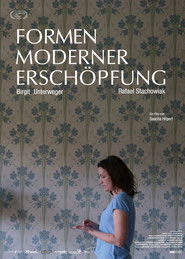
The story of two people going through crises coincides with the reality of the last sanatorium of its kind. For over 100 years, people have come to this place in the hope of being cured. So do Nina and Henri, both in mid-life, burnt out, and from different backgrounds. Their paths cross between the dining room and therapy, at a time when they are struggling to find their inner peace. Then the place is snowed in and everything becomes slow and quiet. The ghosts and stories from the long corridors become their companions. While the two read each other the riot act and try to forget their loneliness, a historian digs through the house archives for documents from the early days of the sanatorium. She researches the sanatorium as a focal point of the modern history of exhaustion and traces a narrative from neurasthenia to the inner restlessness of the present for her dissertation. The house becomes a setting for an archaeology of exhaustion.
"Race d’Ep!" (which literally translates to "Breed of Faggots") was made by the “father of queer theory,” Guy Hocquenghem, in collaboration with radical queer filmmaker and provocateur Lionel Soukaz. The film traces the history of modern homosexuality through the twentieth century, from early sexology and the nudes of Baron von Gloeden to gay liberation and cruising on the streets of Paris. Influenced by the groundbreaking work of Michel Foucault on the history of sexuality and reflecting the revolutionary queer activism of its day, "Race d’Ep!" is a shockingly frank, sex-filled experimental documentary about gay culture emerging from the shadows.
Jason lives with his grandmother, a folk healer, along with his older brother and their cousin in a secluded house in Auvergne. As a rumor spreads about the disappearance of a foreign soldier who came to train in the region, the old woman's health begins to deteriorate.
Nico, a closeted queer 3rd year architecture-student-athlete must navigate between living up to his strict father's expectations and living as his true self, guided by the presences of a spiritual Anggitay.
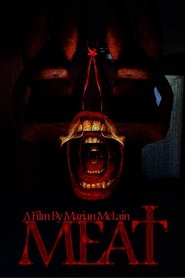
Edith can’t stop watching “Meat”, a show she obsessively collects and rewatches the VHS tapes of. The more she watches, the deeper she finds herself connected to the horror of what’s on screen.
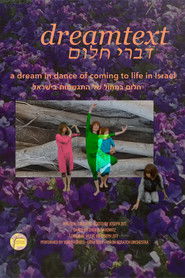
Joseph Zitt’s film dreamtext דברי חלום is a feature-length dream of coming to life in Israel. Four images of dancer Cheryl Nayowitz move past and through images of Israel and words spoken by the Holon Scratch Orchestra, along with music by the ensemble Gray Code. The film and its music are anchored by the song “Sachki Sachki,” sung by Vered Forbes. The film has no story, dialogue, or characters (other than the dancer). While there is text in Hebrew and English, you don’t need to know either language to enjoy the film. The English is a dreamlike text scrambled to approximate what you might hear while falling asleep. The Hebrew words which are heard and seen onscreen during much of the film are streams of consciousness, improvised by women’s voices on the themes of segments of the film. When we hear the song “Sachki Sachki,” the words appear onscreen both in the original Hebrew and in an English translation.
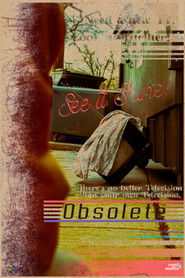
When Halyard Vider picks a stray old Television off the street for fun, he brings home something he never could have anticipated, changing his life for good.
We have detected that you are using an ad blocker. In order to view this page please disable your ad blocker or whitelist this site from your ad blocker. Thanks!