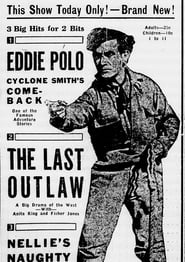
The Last Outlaw (1919) proved very tantalizing. An end-of-the-West Western, it shows its grizzled hero revisiting the town of his youthful exploits. But now, in an anticipation of Ride the High Country (1962), civilization has taken over. Cars chase Bud off the streets and the theatre features movies (Universal Bluebirds at that, a bit of product placement). Ford heightens the contrast by letting us into the hero’s memory, introduced by the title: “Memories of the past flashing back to him”—the earliest reference to the term “flashback” I recall seeing in the movies.
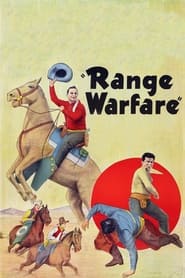
Marshal Reb Russell's reputation precedes him and when he arrives the outlaw gang that includes the Sheriff and that has been doing all the rustling, captures him and plans to hang him. Tommy Lord, the man the crooked Sheriff wants for the rustling, helps him escape. Posing as a rustler he gets the Indian Agent to admit he is the buyer and to reveal who the rustlers are. Having cleared Tommy of the rustling charge he goes after the gang.
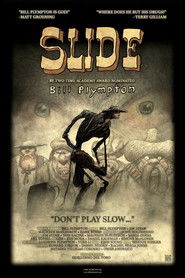
The tale of a mythical cowboy who appears in a corrupt logging town (circa 1940s) and with the aid of his slide guitar and a giant Hellbug, he's able to battle the evil Mayor and his equally selfish twin brother to clean up the logging town of Sourdough Creek.
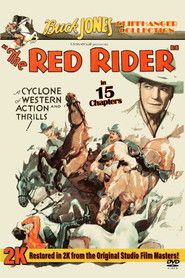
"Red" Davison(Buck Jones), the sheriff of Sun Dog, sacrifices his job and his good name to save his best friend, "Silent" Slade from the hangman's noose, following a framed-up court decision which sentences Slade to hang for the murder of "Scotty McKee (J.P. McGowan). Davidson allows Slade to escape from jail and follows him to aid him in proving his innocence.
A pixillated romp across the great Northwest in which Sergeant Swell of the Mounties, riding an imaginary horse, runs afoul of a trio of unlikely Indians on imaginary war ponies resulting in a humorous caricature of old Western movies.
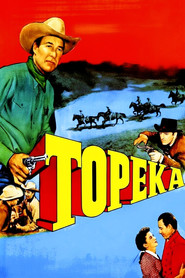
Bill Elliot emulates his idol William S. Hart in the superior western Topeka. Elliot plays the archetypal Good Bad Man, hired to kick the crooked element out of a small town. A hard-drinking, hard-living man, Elliot entertains thoughts of taking over the town himself for the benefit of his own gang. After several reels of soul-searching, Elliot decides to honor his promise to clean up the town for its decent citizens. Evidently director Thomas Carr rented a camera crane for this Allied Artists production, since the camera performs remarkable calisthenics, the kind not normally seen in a medium-budget western.
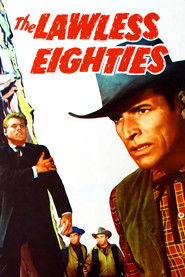
To combat the lawlessness in her town, school teacher Carrie Stokes writes to her former students in search of a lawman. Johnny Revere arrives and starts to clean up the town. But things go bad when he is hit on the head and loses his memory.
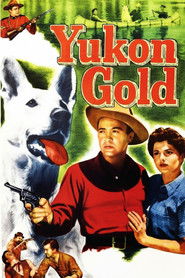
In this Yukon adventure, a gold mining community is rocked by a murder. A Mountie investigates and encounters a female gambler. Action ensues, but justice prevails.
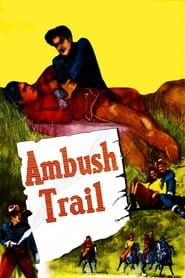
One of four western films made for PRC by bantam-weight Bob Steele, Ambush Trail stars Steele as cowpoke Curley Thompson. The villain of the piece intends to bankrupt all the local ranchers and grab up the surrounding property for himself. But with Curley involved, the bad guy and his minions don't have a chance. The screenplay, by D. W. Griffith alumnus Elmer Clifton, is a medley of western cliches, pausing every so often for a first-rate action sequence. Perennial sagebrush sidekick Sid Saylor provides negligible comedy relief.
George Kirby steals a mining claim from Tom Curtis and forces him to become an outlaw. Years later, Curtis comes to the rescue when Anne Kirby is kidnapped by real outlaws, but when he finds out she is married to his enemy, he decides to hold her captive.
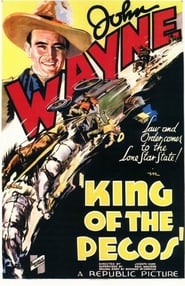
Profiteer Alexander Stiles lays claim to a million acres of range in the Pecos River country, but a rancher named Claybor stands in his way as he has already claimed the water-rich location of Sweetwater as his own.
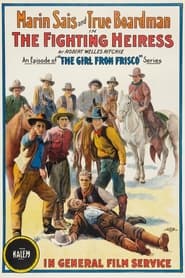
Impending trouble with the sheep herders, who are encroaching on his range, causes Ace Brent, owner of vast California interests, to warn his daughter Barbara to postpone her visit to the ranch. But Barbara is made of sterner stuff, and, following a heated discussion with her admirer, John Wallace, over woman's equality with man in the business world, she declares she will disregard the warning telegram and be at her father's side should trouble come.
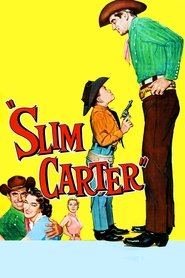
Hughie Mack, a not so nice western singer, is discovered by Clover Doyle as the next movie cowboy hero. His name is changed to Slim Carter and a promotional buildup begins. Leo Gallaher, an orphan boy wins the contest to spend a month with Slim. Leo is a good influence on his cowboy hero. Clover sees the good and more in Slim. Montana Burriss is Slim's double.
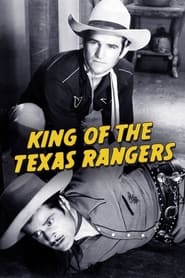
Tex and his sidekicks arrive to help out his friend Jeffers, a railroad owner, only to find that he has been killed. They quickly run into trouble with an outlaw gang in their attempt to find the mysterious ghost train that supposedly runs on Jeffer's line.
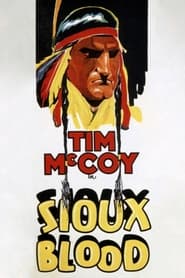
One of John Waters' two Tim McCoy westerns made with MGM in the last years of the silent era. A print is preserved at the George Eastman House in New York but it hasn't been made available to the public and there don't seem to be any plans for it.
After deceitful Indian agent Grat Bandas has his men shoot Brother Van, gunfighter Linc Prescott saves the peaceful circuit rider and agrees to help him put a stop to Bandas's plans to start an Indian war and grab their land for himself. Meanwhile, Prescott takes a shine to the daughter of a local rancher.
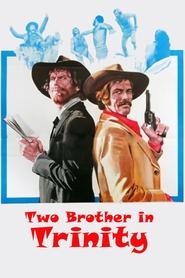
Charming, blithely amoral devil-may-care rogue Jesse Smith and peaceful, devout straight-arrow Mormon Lester O'Hara are estranged half brothers who are reunited after receiving a sizable inheritance from their deceased mother. The wildly contrasting mismatched duo get into all sorts of trouble while trying to claim said inheritance. Written by Woodyanders
As Bruce Lanning posts a "no trespassing" sign at a watering hole on his Circle A ranch, his sister Jane rides up with news that Wes Caven, the hired gun of the Elwood brothers, is looking for him. Soon after, Wes appears and kicks over the sign. Later, Sunset Carson, Wes's boyhood friend, rides into town to invite Wes to become a partner in his new ranch. Just as Wes declines the offer and offers Sunset a job working for the Elwoods instead, Bruce bursts into the saloon, demanding to see Frank Elwood. Not to be confused with the 1950 John Wayne film of the same name
We have detected that you are using an ad blocker. In order to view this page please disable your ad blocker or whitelist this site from your ad blocker. Thanks!